
DatKhachSan.Com
May 31, 2026 • 5 min read
Discover the unique football culture of Casablanca, where passion and history intertwine with every match.
The Distinct Sound of Casablanca
As you step into Casablanca, the first sound that greets you isn't the whistle of the referee or the kick-off, but rather the vibrant roar of the crowd. This sound reverberates throughout the city like a rising tide, blending the booming of drums, the sharp honking of horns, and thousands of voices creating an electrifying atmosphere. Cars crawl by, flags fluttering from windows, while the sounds of fans singing their anthems fill the air.
Upon arriving at Stade Mohammed V, where vendors are fanning away smoke from skewers sizzling at the entrance and cups of mint tea are passed around in the stands, you can feel the city poised for an explosion of excitement.
Football: The Common Language of Casablanca
In Morocco, football is not just a game; it's an integral part of the culture. The vibrancy of Casablanca stands out even more than that of other cities like Tangier or Marrakech. With over three million residents, it is the largest city in the country, where aspirations and frustrations blend daily. Football serves as an escape from the pressures of life, a universal language in a city that never sleeps.
Raja CA and Wydad AC, the two main football clubs of Casablanca, were born from the city's turbulent backdrop. Wydad AC was established in 1937 during the French protectorate, a time when Moroccans faced strict control over their participation in sports. The formation of this team was a subtle act of defiance: patriotic Moroccans used football as a means to gather, assert their identity, and reclaim the public spaces that were often denied to them. Less than a decade later, Raja Club Athletic was founded in 1949, just before Morocco gained independence.
The Climax of Rivalry: Casablanca Derby Day
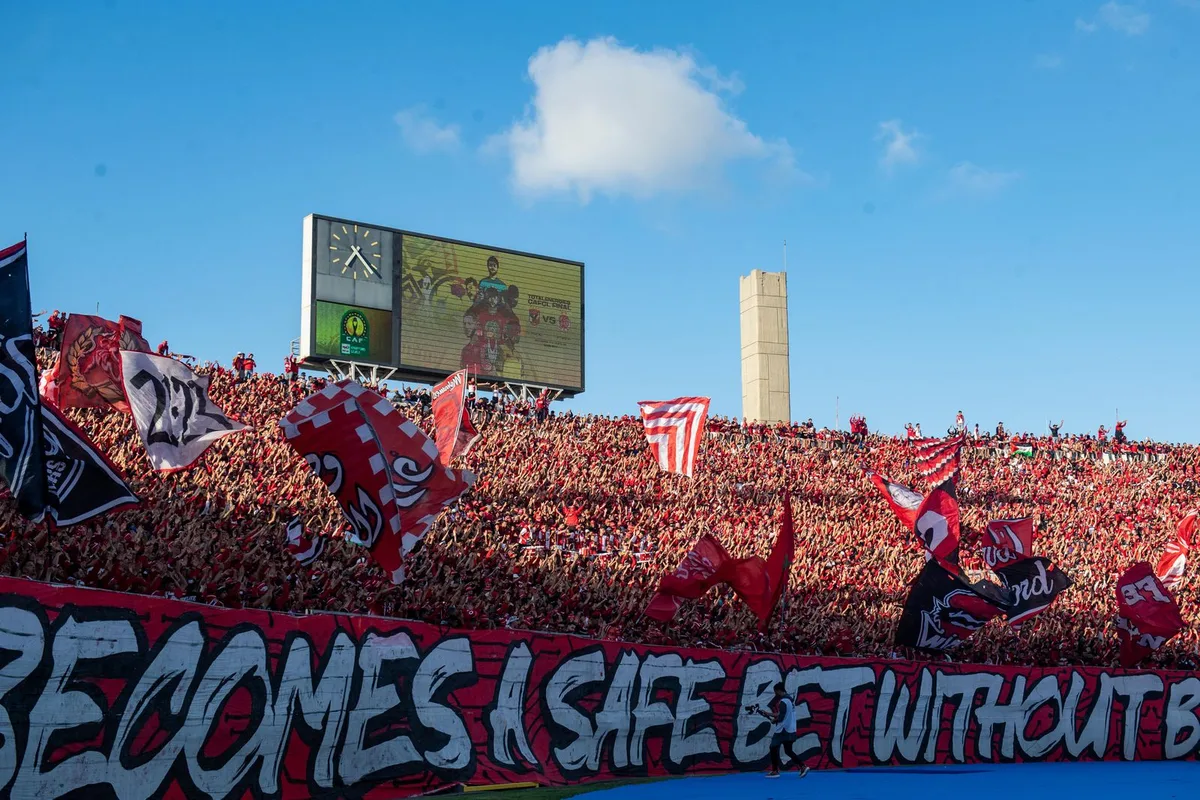
There's no better time to witness a match between these two teams than on derby day. As the players emerge from the tunnel at Stade Mohammed V, the atmosphere in the stadium transforms. In the north, the Curva Nord erupts in a wave of carmine red, the color of Wydad AC, while in the south, the Magana Curve responds with a shimmering green wall, the emblem of Raja CA. Omar Boumeshoul, a fan of Raja CA, states, "Casablanca has one of the most passionate football cultures in the world."
On match day, the grills are fired up early, filling the air with the tantalizing aroma of merguez sausages. You can find food stalls serving spicy babbouche snails. Sandwiches piled high with grilled meat and msemmen drizzled with honey are in abundance. Don’t forget to grab a soda to quench your thirst.
✈️ Tìm chuyến bay giá tốt
Đặt vé ngay với giá ưu đãi từ các hãng hàng không
The Impact of the National Team
This passion extends beyond Casablanca, resonating throughout the nation thanks to the remarkable achievements of the Moroccan national team. Their historic run in the 2022 World Cup made Morocco the first African and Arab nation to reach the semifinals, defeating giants like Portugal and Spain. That moment not only altered history but also transformed perceptions of their capabilities, temporarily unifying rivals like Wydad and Raja into a national voice.
Preserving Passion in Every Detail
To create the energy in the stadium and on the streets, fans prepare well in advance. They gather nightly in workshops to paint banners for their teams, some towering high like the stands, often depicting images of gladiators or political symbols. Songs and chants like “F bladi delmouni” (“In my country, they have made a mistake”) and Raja's anthem “Rajawi Falastini,” a proud nationalistic song celebrating identity and unity, are perfected for performance at the stadium.
These efforts manifest through stunning tifos — a grand football tradition where fans create coordinated displays to showcase their support in the stands. Moha Belkacem, a die-hard Wydad fan, remarks, "People only see the event for 90 minutes, but for us, it’s weeks of hard work.”
A Surge in Tourist Interest
Thanks to its growing popularity, derby day in Casablanca attracts tourists from all over the globe, from Europe and the Middle East to Sub-Saharan Africa. They come to experience the match, drawn by the reputation of the Casablanca derby as one of the most vibrant football experiences. With the upcoming World Cup in 2026, it’s clear that the spotlight will continue to shine on Casablanca's football culture.
In Derb Sultan, one of the oldest neighborhoods in Casablanca and a stronghold of Raja, the walls become a massive canvas of blue graffiti. Elderly men sit outside cafes, sipping “noss-noss” (half milk, half coffee), discussing formations with the seriousness of generals planning an attack. Meanwhile, in Ancienne Medina, the red flags of Wydad flutter from balconies faded by the sun.
However, after the unity sparked by the 2022 World Cup, the rivalry is temporarily giving way to a spirit of solidarity. Cafes plan to broadcast matches live, welcoming all fans, families converting rooftops into communal viewing spaces, and even the most fervent supporters intend to gather for Morocco’s match against Brazil on June 13. On derby day, the whole city becomes a stadium, but during the World Cup, the football fans of Casablanca will stand united.
Article sourced and edited from: Condé Nast Traveler
DatKhachSan.Com
DatKhachSan.Com is a leading online flight booking platform in Vietnam, providing accurate and up-to-date travel information. We are committed to delivering wonderful travel experiences with the best prices on the market.